Practice medicine
the way you'll
actually practice it.
Rounds is a clinical simulator where you interview AI patients, order real investigations, build differentials, and get scored on your reasoning — across a live library of 414 authored cases, 19 case areas, and 15 guided roadmap specialties. Built for medical students and junior doctors doing rotations, internship, and serious clinical prep.
Practice like it's a real ward
Take histories, order labs, perform exams, and manage patients — all in one seamless encounter.
Every case has a rubric
Grading is transparent. You see exactly which clinical actions earned points and which were missed.
Get better, measurably
Track your scores across specialties, identify weak areas, and watch your clinical reasoning improve case by case.
Room 3 · Emergency
Crushing chest pain, 58M
HR
118
BP
92/58
SpO2
94%
RR
22
Clinical picture
Hypotension, tachycardia, jaw radiation, and diaphoresis — this patient needs a decision, not more thinking.
Your scorecard
Strongest move
Ordered ECG and troponin within first 3 questions.
Area to improve
Start dual antiplatelet before catheterization.
Live encounter
Ask anything. Order anything. The patient responds.
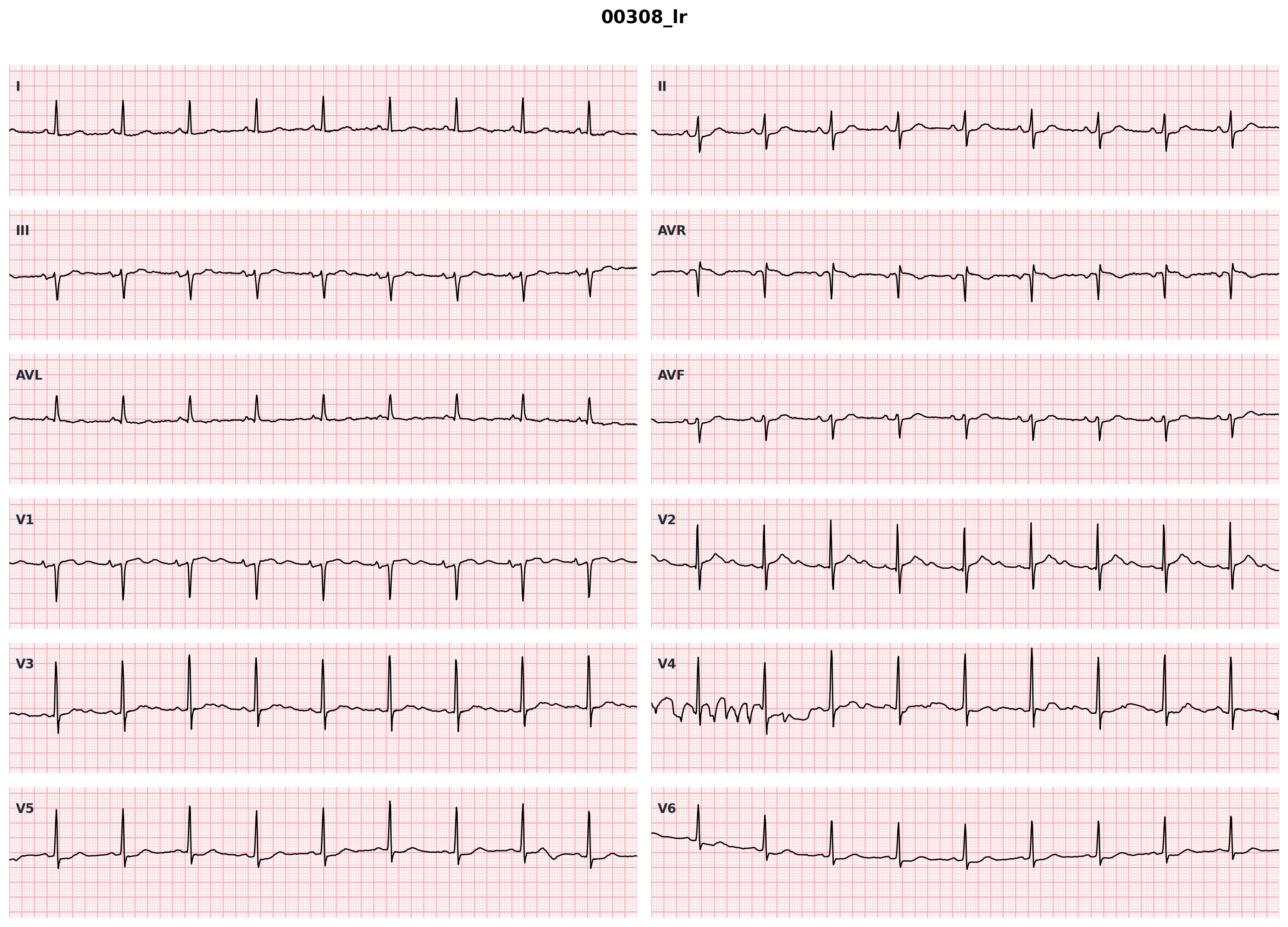
Enter12-lead ECG
Not a question bank
Interview the patient, don't just read a vignette.
Order any investigation — results come with reference ranges.
Get scored on reasoning, not just the final answer.
414
Authored cases
19
Case areas
245+
Tests
Free
Early access
Whether you're preparing for exams or the wards, this is your practice room.
Medical students use Rounds to build clinical reasoning before rotations. Interns and residents use it to sharpen pattern recognition across specialties. The cases scale with you.
Final MBBS
Use starter cases and guided ladders to make core presentations feel less abstract.
Internship
Practice the history, workup, management, and handoff flow before you are doing it for real.
Clinical rotations
Build confidence before you touch a real patient. Mistakes here are free.
Viva / OSCE-style prep
Structured exams, communication-heavy cases, and management planning are already in the loop.
Simulate. Learn. Review. Repeat.
Jump into Practice for live cases. Follow structured tracks in Learn when you want guided progression. Use Workup to check your reasoning before or after a case.
Practice
Run a full case: take the history, examine, order tests, build a differential, and commit to a final call under real clinical pressure.
Learn
Work through curated ladders across 15 guided roadmap specialties. Start with the bread-and-butter reps, then build toward harder patterns.
Workup
Use the workup companion before or after a case to pressure-test investigations, compare differentials, and review must-not-miss steps.
19 authored case areas. 15 guided roadmap tracks.
The case library currently spans 19 specialty folders, while Learn guides you through 15 roadmap specialties with curated playlists, starter reps, and structured grading.
History. Workup. Differential. Decision.
Every case follows the same clinical flow you'll use on the wards. No shortcuts, no hand-holding — just the structured thinking that turns a student into a clinician.
Take the history
Ask the patient about their symptoms, timeline, past history, and medications. Better questions unlock better clinical clues.
Examine and investigate
Perform targeted physical exams and order labs, ECGs, imaging — anything you'd order on a real ward round.
Build your differential
Narrow down possibilities as evidence comes in. Track your top diagnoses and rule out the dangerous mimics.
Declare and get scored
Make your final call, write your management plan, and receive a detailed scorecard that sharpens your next case.
This is not another MCQ platform.
Question banks test recall. Rounds tests reasoning. You don't pick from four options — you build the answer from scratch, the way you'll have to on the wards.
The patient actually talks back
This is not a static vignette. Ask follow-up questions and the patient responds with new details that change your differential.
Real investigations, not multiple choice
Order from a live catalog of 245 tests plus 132 guided exam prompts. Results come back as structured labs, imaging, and findings instead of answer choices.
Feedback that actually teaches
After every case you get a detailed scorecard: accuracy, workup quality, clinical reasoning, and efficiency — with specific pointers for your next attempt.
The closest thing to a real ward
Cases are built against evidence-based clinical rubrics — the same history beats, investigations, and must-not-miss steps you'd use on a real patient. You run the encounter, not read a vignette.
A scorecard that teaches, not just grades.
Case score
8.0/10
Accuracy
Correct primary diagnosis with supporting evidence
Workup
Key investigations ordered, but missed serum lactate
Reasoning
Strong differential — ruled out PE before calling STEMI
Next focus
Order time-sensitive investigations earlier
Every case is graded on four dimensions. You see exactly where you earned points and where you left marks on the table — so the next case gets a little sharper.
What changes after 10 serious cases.
Clinical reasoning is a skill, not a talent. Like any skill, it improves with deliberate, structured practice. That is what Rounds is designed to give you.
Better first questions
You learn which history questions actually narrow the differential — and stop wasting turns on low-yield ones.
Focused investigations
You start ordering to answer a clinical question, not to check a box. Your workup scores go up.
Confident final calls
Pattern recognition builds across cases. Diagnoses feel less like guesses and more like conclusions.
Your patients are waiting.
414 authored cases. 245+ tests. 132 exam prompts. No MCQs, no passive reading — just the clinical loop that helps you get sharper one case at a time. Rounds is invite-only while we scale — join the waitlist and we'll let you in as spots open.